Medical Aesthetics · Vancouver, WA

Where clinical science
meets aesthetic artistry

Board-certified expertise. Personalized results. No compromise.

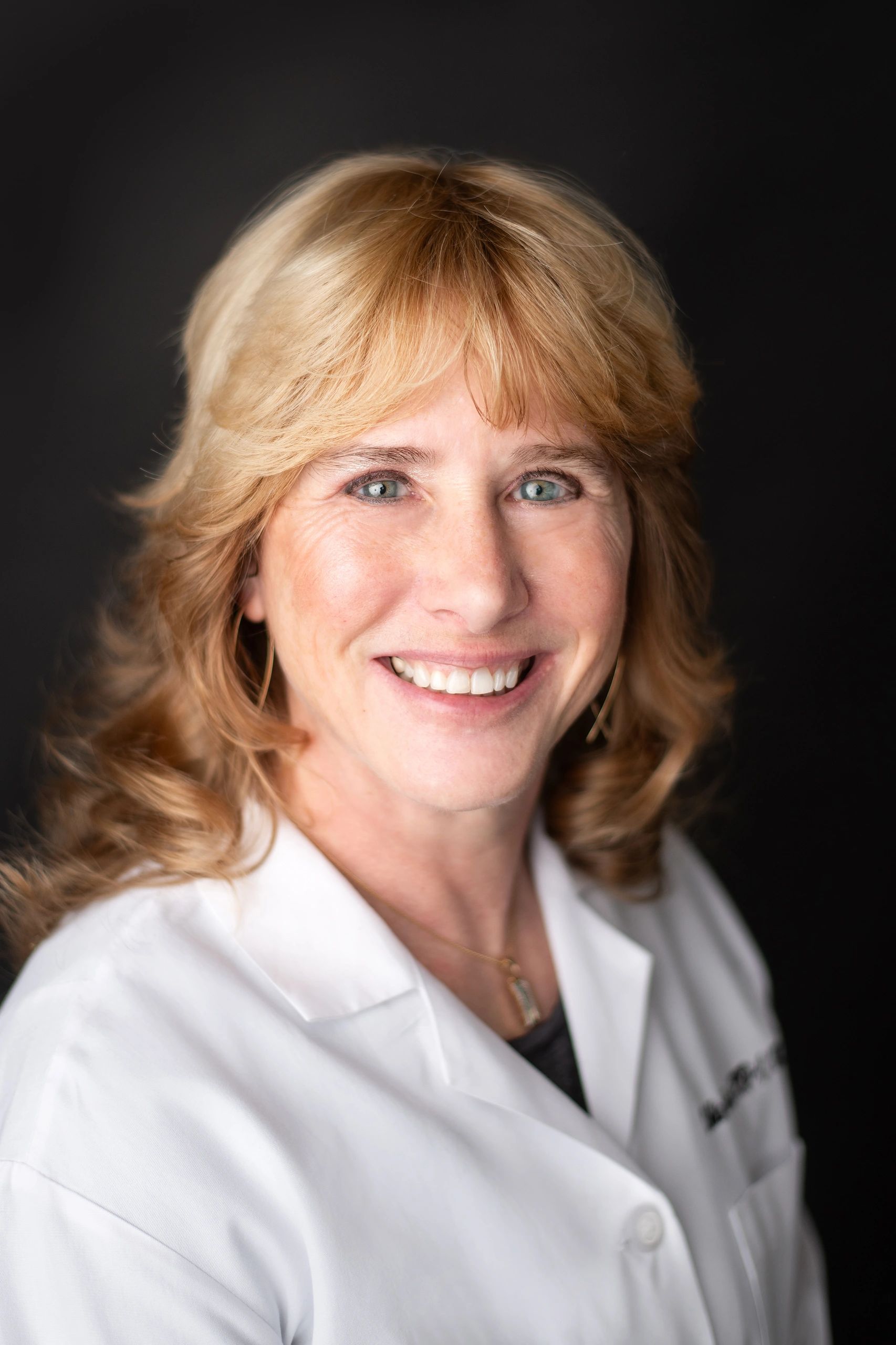
Dynamic Regenerative Medicine is a medical aesthetics PLLC led by Debbie Gale, ARNP-BC — a board-certified nurse practitioner with a background in neurosurgery and emergency medicine. Every treatment is grounded in evidence, guided by expertise, and tailored to you.

Board-Certified ARNP-BC
Medical Aesthetics PLLC
Free Consultations
Evidence-Based Treatments
(360) 827-2844

Aesthetics grounded in
clinical precision

Medical aesthetics is not one-size-fits-all. The face ages in three dimensions — volume depletes, skin quality changes, and structural support shifts over time. Delivering beautiful, natural results requires both the scientific foundation to understand these changes and the artistic discernment to address them correctly.

At Dynamic Regenerative Medicine, every treatment begins with a thorough assessment — not a menu. Debbie Gale's background in acute and critical care medicine means she evaluates with a clinician's precision before she ever picks up a device or a needle.

Start With a Free Consult
"Beautiful results in aesthetic medicine come from understanding anatomy deeply — not from following a protocol. Every face is a unique case."— Debbie Gale, ARNP-BC, Founder

Precision treatments,
proven results

Our current services are anchored in advanced laser technology and clinical expertise — treatments where results are measurable, protocols are evidence-based, and outcomes speak for themselves.

01

FoLix Laser Hair Restoration

FDA-cleared science. Clinically measurable regrowth.

Hair loss affects millions. The FoLix system uses low-level laser therapy (photobiomodulation) to stimulate cellular activity in follicles that have miniaturized but not yet ceased function — enhancing mitochondrial ATP production and promoting the shift from resting back to active growth phase.

Learn More →
Mechanism: Photobiomodulation stimulates cytochrome c oxidase, increasing ATP synthesis in follicular tissue.
FDA-Cleared for men and women with androgenetic alopecia.
Timeline: Reduced shedding 6–8 weeks; visible density improvement at 12–16 weeks.
No downtime. Painless, non-invasive. Safe for all skin types.
02

Laser Tattoo Removal

Selective photothermolysis. Ink eliminated, skin preserved.

Laser tattoo removal uses selective photothermolysis — delivering energy at wavelengths preferentially absorbed by ink particles, creating photoacoustic shock waves that shatter ink granules for lymphatic clearance. Different colors require different wavelengths. A thorough clinical assessment before the first session is essential.

Learn More →
Mechanism: Selective photothermolysis targets ink chromophores via photoacoustic fragmentation.
Sessions: Typically 6–10 treatments spaced 6–8 weeks apart.
Colors: Black responds best. Greens and yellows require more sessions.
Downtime: Minimal. Normal activity resumes within 24–48 hours.
03

Microblading & Permanent Makeup Removal

Specialized protocols for cosmetic pigment. Precise, safe, progressive.

Cosmetic pigments frequently contain iron oxide compounds that can undergo paradoxical darkening with incorrect laser wavelengths — making proper assessment and a mandatory patch test non-negotiable. Debbie's neurosurgical background brings anatomical precision to the periorbital area.

Learn More →
Pigment Science: Iron oxide pigments require specialized wavelength selection to avoid paradoxical darkening.
Patch Test: Mandatory before every full treatment session.
Timeline: Significant fading within 3–6 treatments for most patients.

What's coming
to our practice

We are expanding with a carefully curated suite of advanced aesthetic treatments — each selected for its clinical evidence base. Debbie is completing advanced training in each modality before any is offered to patients.

Coming Soon

Peptide Therapy

Targeted bioactive signaling for skin, body, and cellular health

Peptides are short chains of amino acids that function as biological signaling molecules — directing cellular behavior with remarkable specificity in aesthetic and regenerative medicine.

Clinical Highlights
GHK-Cu: Modulates over 4,000 human genes involved in tissue repair and collagen synthesis.
BPC-157: Significant tissue repair — accelerating healing in tendons, ligaments, muscle, and skin.
Sermorelin / Ipamorelin: Growth hormone secretagogues supporting physiologically normal GH release.
Coming Soon

Botox

Neuromuscular precision for natural, refreshed results

The world's most studied cosmetic injectable. When administered by an anatomy-trained clinician, neuromodulators produce naturally refreshed results that preserve expression rather than eliminating it.

Clinical Highlights
Mechanism: Cleaves SNAP-25, temporarily inhibiting acetylcholine release — softening dynamic wrinkle formation.
Applications: Glabellar lines, forehead, crow's feet, brow lifting, masseter reduction, and more.
Why Expertise Matters: Debbie's neurosurgical anatomy background directly informs every injection decision.
Coming Soon

Dermal Fillers

Volumetric restoration. Structural lifting. Collagen stimulation.

The face does not simply wrinkle with age — it deflates and loses structural support in a complex three-dimensional process requiring deep anatomical understanding to address correctly and safely.

Clinical Highlights
HA Fillers: Fully reversible with hyaluronidase. G-prime determines product selection per area.
Radiesse (CaHA): Biostimulatory — stimulates neocollagenesis beyond immediate volumization.
Sculptra (PLLA): Collagen biostimulator — gradual, natural results over a series of treatments.
Coming Soon

PDO Thread Lifts

Structural lifting and collagen induction — without surgery.

Absorbable suture material mechanically repositions soft tissue while triggering a fibrotic healing response that produces new collagen. Requires precise anatomical knowledge to achieve the intended lift vector.

Clinical Highlights
PDO Material: Absorbed over ~6 months; collagen induced persists 12–18 months.
Thread Types: Mono (biostimulation), Cog (mechanical SMAS lifting), Screw (volume + texture).
Best Results: Combined with filler and toxin in a full-face approach.
Debbie Gale ARNP-BCDebbie GaleARNP-BC · Founder & Provider
Board-Certified Family NP (FNP-BC)
Board-Certified Acute Care NP (ACNP-BC)
Clinical Background: Neurosurgery
Clinical Background: Emergency Medicine
Advanced Aesthetic Medicine Training
Licensed: Washington State
Founder: Dynamic Regenerative Medicine, PLLC

The clinician
behind the care

Debbie Gale's path to aesthetic medicine is not a conventional one — and that is precisely what makes her approach exceptional. Her clinical foundation was built in neurosurgery and emergency medicine: environments where precision is not optional and anatomical knowledge is survival-level important.

She founded Dynamic Regenerative Medicine, PLLC because she recognized that aesthetic medicine — done well — demands the same clinical rigor. Too many aesthetic providers operate from a protocol rather than from anatomy.

"In neurosurgery we worked in millimeters. That instinct for precision doesn't leave you — and it belongs in aesthetic medicine just as much."

Anatomy First

Neurosurgical training built an acute understanding of vascular territories and risk zones that informs every aesthetic decision.

Evidence-Based Only

Every treatment offered is selected for its peer-reviewed evidence base — not for trend or profit margin.

One Provider, Always

Debbie personally conducts every consultation and every treatment. You will never be passed to a technician.

Assessment Before Treatment

Free consultations are the starting point. Debbie will decline to treat patients for whom a treatment is not appropriate.

By the numbers

96%

Patient Satisfaction — Botox

ASPS data consistently places neuromodulator patient satisfaction above 95% when performed by an appropriately trained clinician.

6–8 wks

FoLix First Measurable Response

Published LLLT trials show measurable reduction in shedding within 6–8 weeks, with hair count improvements at 16–24 weeks.

4,000+

Genes Modulated by GHK-Cu

Research in Genome Medicine identified copper peptide GHK-Cu as a regulator of over 4,000 human genes relevant to skin repair and remodeling.

18 mo

PDO Thread Collagen Persistence

PDO threads absorb in ~6 months, but the neocollagenesis response they stimulate persists 12–18 months post-treatment.

Real patients.
Real results.

★★★★★
"Debbie sat with me for forty minutes during my consultation — asking questions and genuinely listening. She explained exactly what was happening with my hair and why FoLix would work for my specific pattern of loss. Four months in, the difference is visible."
Sarah K.
FoLix Laser Hair Restoration
★★★★★
"Debbie was transparent from session one about how many treatments to realistically expect and why. The skin healed beautifully each time — no scarring, no texture changes. The clinical knowledge she brings to the laser is apparent."
James R.
Laser Tattoo Removal
★★★★★
"Debbie told me immediately about the paradoxical darkening risk and explained the wavelength she would use and why. That level of expertise — knowing what could go wrong and how to prevent it — is what separates her from anyone else I consulted."
Michelle T.
Microblading Removal

What patients
want to know

What is a medical aesthetics PLLC?

A licensed healthcare entity where treatments are performed by a licensed healthcare provider under Washington State medical practice standards. At DRM, Debbie Gale is the provider of record for all treatments — ensuring full clinical accountability that spa-based providers cannot offer.

Do you offer free consultations?

Yes — always, for every patient, for every treatment. A consultation is a genuine clinical assessment. Debbie will tell you honestly whether a treatment is appropriate for you, what realistic outcomes look like, and what to expect. No treatment is scheduled until both provider and patient are fully aligned.

How does FoLix differ from other hair loss treatments?

FoLix uses FDA-cleared photobiomodulation to stimulate mitochondrial activity within hair follicle cells at the cellular level. Unlike topical treatments, it works within the follicle itself. Unlike surgical transplants, there is no recovery, no scarring, and no donor site.

Is Debbie Gale a physician?

Debbie is a board-certified Nurse Practitioner (ARNP-BC) — certified in both Family and Acute Care — with clinical training in neurosurgery and emergency medicine. In Washington State, advanced practice registered nurses hold full independent practice authority including full prescriptive authority.

When will Botox, fillers, peptides, and threads be available?

Debbie is completing advanced-level training in each modality before offering it to patients. Join the notification list via the contact form to be first to know when each service launches.

What makes your laser treatments safer?

Clinical assessment of Fitzpatrick skin type, ink composition, tattoo age, and layering before the first session. For cosmetic pigments, knowledge of paradoxical darkening risk and proper wavelength selection. Debbie's critical care background means she plans for what could go wrong before proceeding.

Your consultation
starts here

No pressure. No commitment. Just an honest conversation about your goals.

Address525 W 8th St
Vancouver, WA 98660
Inside High Brow Social Club

Serving Vancouver, WA and the greater Portland metro area. Same-week appointments often available.

By submitting you agree to be contacted by Dynamic Regenerative Medicine, PLLC. Your information is kept strictly confidential and never shared. Not for medical emergencies.

The DRM Clinical Blog

Expert aesthetics insights
from a clinical perspective

Evidence-based articles on medical aesthetics, skin science, and regenerative medicine — written by Debbie Gale, ARNP-BC.

Latest Articles

Week 1 · Expertise

Why Medical Credentials Actually Matter in Aesthetic Medicine

Not all aesthetic providers are created equal. Here's what the credential landscape actually looks like — and the questions every patient should ask before booking any treatment.

Debbie Gale, ARNP-BCRead Article →
Week 2 · Science Deep-Dive

The Science of Laser Hair Restoration: What FoLix Actually Does to Your Follicles

A cellular-level explanation of photobiomodulation, ATP synthesis, and why early treatment produces the best outcomes.

Debbie Gale, ARNP-BCRead Article →
Publishes Week 3
Science Deep-Dive

Hair Loss in Women: Why It's Different, Why It's Underdiagnosed, and What Helps

Female pattern hair loss affects 30 million women in the US — and is dramatically undertreated. Here's the biology, the Ludwig scale, and what actually works.

Debbie Gale, ARNP-BCComing Soon
Publishes Week 4
Before You Book

What to Expect at Your First Aesthetic Medicine Consultation

A step-by-step walkthrough of exactly what happens at a DRM consultation — from history-taking to honest recommendation. No pressure, no surprises.

Debbie Gale, ARNP-BCComing Soon
Publishes Week 5
Science Deep-Dive

Laser Tattoo Removal: The Complete Clinical Guide

Selective photothermolysis, wavelengths by ink color, session counts, Fitzpatrick skin typing, and what results realistically look like. Everything in one place.

Debbie Gale, ARNP-BCComing Soon
Publishes Week 6
Myth vs. Fact

Myth: All Laser Tattoo Removal Is the Same. Fact: It Isn't.

Six of the most common tattoo removal myths — dismantled clinically. Including why the laser system matters, why cover-ups are more complex, and what realistic pain looks like.

Debbie Gale, ARNP-BCComing Soon
Publishes Week 7
Debbie's Perspective

How I Ended Up in Medical Aesthetics After Neurosurgery

The honest story of Debbie's path from neurosurgery and emergency medicine to founding Dynamic Regenerative Medicine — and why that background defines this practice.

Debbie Gale, ARNP-BCComing Soon
Publishes Week 8
Science Deep-Dive

Microblading Removal: The Paradoxical Darkening Risk No One Talks About

Iron oxide pigments, wavelength selection, the mandatory patch test, and why periorbital anatomy expertise is non-negotiable for cosmetic pigment removal.

Debbie Gale, ARNP-BCComing Soon
Publishes Week 9
Aesthetics 101

The Norwood and Ludwig Scales: Understanding Your Hair Loss Stage

A plain-language explanation of both classification scales, what each stage means for candidacy, and why staging at the start produces better outcomes.

Debbie Gale, ARNP-BCComing Soon
Publishes Week 10
Coming Soon — Peptides

Peptides in Aesthetics: What They Are, What the Science Says

GHK-Cu, BPC-157, sermorelin, and GLP-1 agents — explained clearly, with the clinical evidence base and honest regulatory context behind each one.

Debbie Gale, ARNP-BCComing Soon
Publishes Week 11
Science Deep-Dive

Photobiomodulation Explained: The Physics and Biology of Laser Hair Regrowth

The electromagnetic spectrum, cytochrome c oxidase, ATP production, and the clinical evidence base for LLLT in hair restoration — for those who want the full science.

Debbie Gale, ARNP-BCComing Soon
Publishes Week 12
Before You Book

5 Questions You Should Always Ask Before Any Aesthetic Treatment

Five questions that will tell you everything you need to know about any aesthetic provider — including the bonus sixth question that reveals the most.

Debbie Gale, ARNP-BCComing Soon
Back to Blog
Expertise · Week 1

Why Medical Credentials Actually Matter in Aesthetic Medicine

If you've spent any time searching for aesthetic treatments online, you've noticed something: everyone looks qualified. The websites are polished, the before-and-after photos are impressive, and the language is reassuringly clinical. Botox. Filler. Laser. The terminology flows easily regardless of who is behind the needle or the device.

But here's what most patients don't know — and what the aesthetic industry has little incentive to advertise: in many states, the qualifications required to administer these treatments are shockingly minimal. A person with a weekend certification course and no medical background can legally perform laser treatments in certain jurisdictions. Injectors with limited anatomical training perform filler procedures every day. And patients, often, have no idea until something goes wrong.

This is not a scare tactic. It's a clinical reality — and as a board-certified nurse practitioner with a background in neurosurgery and emergency medicine, I believe patients deserve to understand it before they book any aesthetic treatment.

The Credential Landscape in Medical Aesthetics

Medical aesthetics sits at the intersection of healthcare and beauty, and that intersection can be confusing. Different states have different rules about who can perform which treatments. In Washington State, there is a meaningful distinction between providers operating under a medical license and those operating purely under cosmetology or esthetics licensure.

  • Licensed Estheticians — Trained primarily in skincare and non-medical cosmetic treatments. They cannot legally perform injectable treatments or operate medical-grade lasers in Washington without physician supervision.
  • Registered Nurses (RNs) — Can administer injectable treatments under physician or advanced practice supervision. Clinical background is strong, but the scope of independent practice is more limited.
  • Nurse Practitioners (ARNP/NP) — In Washington State, nurse practitioners with full practice authority can practice independently, diagnose, prescribe, and perform aesthetic procedures without physician oversight.
  • Physicians (MD/DO) — Full medical training. Not all physicians, however, have specific aesthetic medicine training.

Why Anatomy Knowledge Is the Critical Variable

In aesthetic medicine, outcomes are determined far more by anatomical knowledge than by the procedure itself. Botox is Botox. Hyaluronic acid filler is filler. The product is largely commoditized. What is not commoditized is the understanding of where to place it, at what depth, in what volume, and with awareness of what structures are nearby.

My background in neurosurgery trained me to work in millimeters — to understand the three-dimensional architecture of the head and neck in a way that most aesthetic providers simply never encounter. That training doesn't leave you when you move into a different clinical setting.

What to Look for When Choosing an Aesthetic Provider

  • What is your medical license and specialty certification? — Look for board certification, not just licensure.
  • Do you have formal training specifically in the procedure you're recommending? — General medical training is not the same as procedure-specific training.
  • What is your clinical background? — A provider who spent years in hospital medicine brings a very different depth of anatomical knowledge.
  • How do you handle complications? — Any trained provider should be able to answer this clearly.
  • Will you be performing my procedure personally, or will it be delegated?

What Clinical Credentials Look Like at Dynamic Regenerative Medicine

I am a board-certified Family Nurse Practitioner (FNP-BC) and board-certified Acute Care Nurse Practitioner (ACNP-BC). I spent years in clinical settings that demanded precision, fast decision-making, and deep anatomical knowledge — including neurosurgery, where the margin for error is measured in fractions of a millimeter.

I founded Dynamic Regenerative Medicine, PLLC as a medical aesthetics PLLC because I believe the clinical standards of hospital medicine belong in aesthetic practice. I perform every consultation and every treatment personally. I do not delegate procedures to technicians.

Ready to experience what clinical-grade aesthetic medicine feels like? Book your free consultation at dynamicrm.com or call (360) 827-2844. No pressure. No commitment. Just clarity.

Science Deep-Dive · Week 2

The Science of Laser Hair Restoration:
What FoLix Actually Does to Your Follicles

Most patients who come to me for hair restoration consultations have already tried something. Minoxidil. Biotin supplements. A shampoo from an Instagram ad. Maybe finasteride, if they've seen a physician. They come in skeptical — and honestly, after the noise in the hair loss space, that skepticism is earned.

So when I recommend FoLix laser hair restoration, I don't ask patients to take it on faith. I explain exactly what it does at the cellular level, why the evidence supports it, and what realistic outcomes look like. That's what this article is: the full science, without the marketing language.

First: Understanding Why Hair Is Lost

To understand how FoLix works, you first have to understand why hair miniaturizes and stops growing in the first place.

In androgenetic alopecia — the most common form of hair loss in both men and women — the primary driver is dihydrotestosterone (DHT), a metabolite of testosterone produced by the enzyme 5-alpha reductase. DHT binds to androgen receptors in genetically susceptible hair follicles, triggering a progressive shortening of the anagen (active growth) phase and a lengthening of the telogen (resting) phase. Over successive cycles, the follicle miniaturizes — producing progressively finer, shorter, and lighter hairs — until it eventually stops producing a visible shaft entirely.

The critical clinical point: this process is gradual, and follicles that have miniaturized but not yet permanently closed can be reactivated. Once a follicle is completely gone — once the dermal papilla has been irreversibly lost — no treatment can regenerate it. This is why early intervention produces the best outcomes. Not because we want to sell more treatment, but because the biology is unforgiving about timing.

What Is Photobiomodulation?

Photobiomodulation (PBM) — also called low-level laser therapy (LLLT) — is the application of specific wavelengths of light to biological tissue to stimulate cellular activity. The term "low-level" distinguishes it from ablative lasers that destroy tissue. PBM doesn't cut, burn, or remove anything. It stimulates.

The concept sounds simple, but the underlying mechanism is genuinely sophisticated. When photons at the right wavelengths strike living tissue, they are absorbed by specific chromophores — light-absorbing molecules — within cells. The primary chromophore relevant to FoLix therapy is cytochrome c oxidase, a protein complex that sits in the inner mitochondrial membrane and plays a central role in the electron transport chain — the cellular process by which ATP (adenosine triphosphate) is synthesized.

ATP is the energy currency of the cell. When cytochrome c oxidase absorbs photons in the red-to-near-infrared range (approximately 630–850 nm), it undergoes a conformational change that increases its enzymatic activity, enhancing electron transport and dramatically increasing ATP production in the treated tissue.

What This Means for a Hair Follicle

A miniaturizing hair follicle is, in essence, an energy-deficient follicle. The cellular machinery needed to maintain the anagen phase — the dermal papilla cells, the matrix keratinocytes, the melanocytes producing pigment — all require substantial ATP to function. When DHT disrupts follicular signaling, the result is a progressive reduction in the metabolic activity of these cells.

Photobiomodulation addresses this directly. By increasing mitochondrial ATP production in follicular tissue, FoLix essentially provides miniaturizing follicles with the cellular energy needed to resist the miniaturization process and re-enter the anagen phase. Several additional mechanisms have been identified in the research literature:

The Hair Cycle: Why Timing Matters

Hair follicles cycle through three phases: anagen (active growth, typically 2–7 years), catagen (transitional involution, 2–3 weeks), and telogen (resting, 3–4 months). In a healthy scalp, approximately 85–90% of follicles are in anagen at any given time.

In androgenetic alopecia, this ratio inverts progressively. The anagen phase shortens. More follicles spend more time in telogen. Eventually, the follicle produces no visible hair at all.

FoLix therapy works by promoting the shift from telogen back into anagen — and by extending the duration of the anagen phase once a follicle re-enters it. This is why the clinical timeline looks the way it does: reduced shedding typically appears first (at 6–8 weeks), as the abnormal telogen shift is interrupted, followed by visible density improvement (at 12–16 weeks) as miniaturized follicles re-enter anagen and begin producing thicker shafts.

The Clinical Evidence

LLLT for hair loss is one of the better-studied non-pharmacological interventions in dermatology. A few landmark findings worth knowing:

This is not a fringe treatment. It is FDA-cleared, peer-reviewed, and reproducible. The mechanism is understood. The clinical outcomes are measured.

What FoLix Delivers — and What It Doesn't

I am going to be direct, because I think patients deserve honesty about what any treatment can and cannot do.

FoLix laser therapy will not regrow hair in areas where follicles have been permanently lost. If a patient presents with completely slick, smooth scalp in an area — no vellus hairs visible, no follicular openings under dermoscopy — there is no follicle left to stimulate. No treatment can reverse that. A transplant can move follicles from elsewhere on the scalp, but that is a different intervention entirely.

What FoLix can do, with consistency, is slow further miniaturization, stabilize active hair loss, and produce measurable density improvement in areas where follicles are miniaturized but still present. For patients in the early-to-mid stages of androgenetic alopecia — Norwood I–IV in men, Ludwig I–II in women — the potential benefit is significant.

The earlier treatment begins, the more follicles are available to respond. This is not a sales pitch. It is biology.

What a FoLix Treatment Looks Like at DRM

Before any treatment is scheduled, I conduct a full clinical assessment: review of medical history, evaluation of any contributing factors beyond androgenetic alopecia (thyroid function, iron levels, nutritional deficiencies, medications), and dermoscopic examination of the scalp to stage the pattern of loss and identify areas with remaining follicular reserve.

The treatment itself is straightforward: comfortable, painless, and completed in-office. The device delivers calibrated photobiomodulation energy to the scalp. Patients describe it as a gentle warmth. There is no downtime, no recovery, and no restriction on normal activity afterward.

Treatment protocols are individualized based on the assessment findings. Maintenance sessions are required to sustain results — the biology of the hair cycle means that the cellular stimulus needs to be maintained for ongoing benefit.

If you are experiencing hair loss and want an honest clinical assessment of what FoLix can offer for your specific situation, book a free consultation at dynamicrm.com or call (360) 827-2844. I will tell you clearly whether you are a good candidate, what realistic outcomes look like, and what your options are. No pressure. Just clarity.